Kovalam Beach(Kerala) 2026 Guide: The Striped Lighthouse, Surfing & Three Crescents
📍Beaches of India, Tropical South India
The Beach Card (Summary):
- The Vibe Mix: Retro Charm • Surf Schools • Sunset Promenade • Ayurvedic Wellness
- Crowd Density: High. (Spikes to Severe during sunset hours and winter holidays; it is Kerala’s most visited beach).
- Sand & Water: Unique mixture of black (ilmenite) and golden sand; the water is blue-green but often choppy with strong swells perfect for surfing.
- The TrippinAI Fit: "If you are someone who enjoys climbing lighthouses for a panoramic view and riding your first wave, then this place fits you the best."
"The Red & White Beacon"
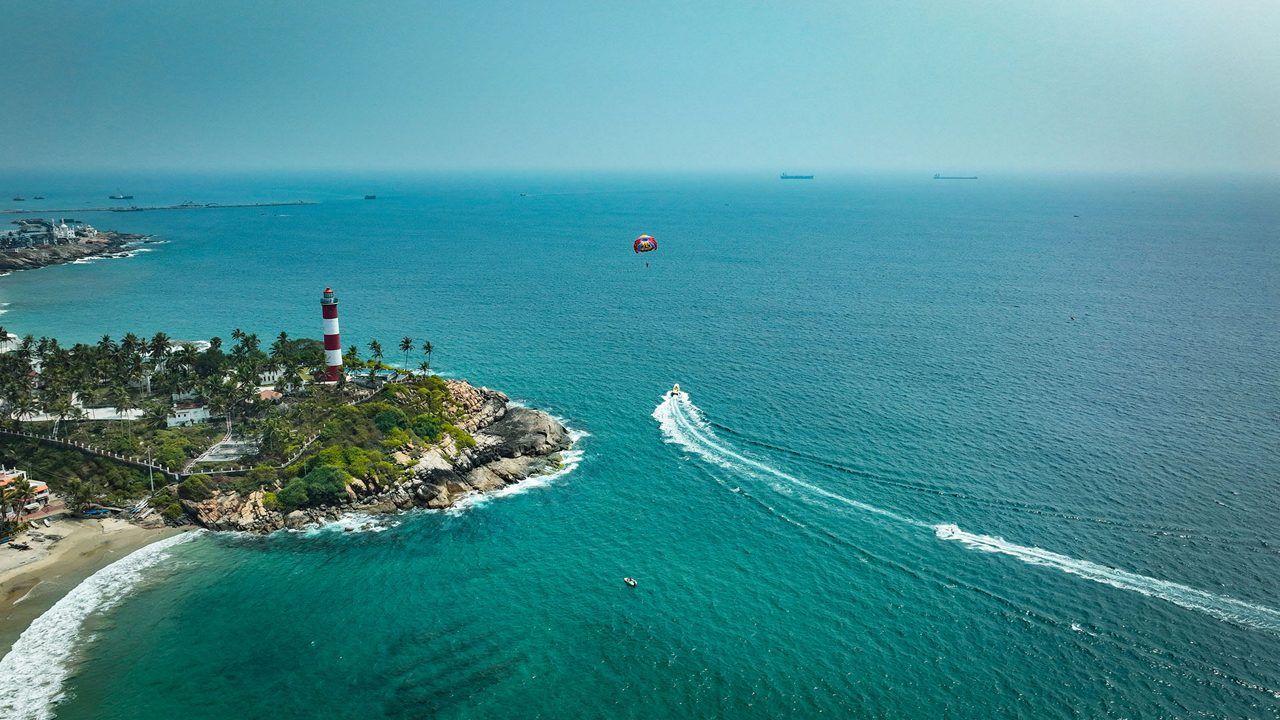
The Reality Check: Kovalam is the original poster child of Kerala tourism. Standing beneath the red-and-white stripes of the Vizhinjam Lighthouse, the air smells of roasting corn and salt spray. The roar of the Arabian Sea crashing against the Edakallu rocks is constant. It is a bustling amphitheater of tourism, where sunbeds line the curve and restaurant lights reflect on the waves at night.
- 📸 Best Photo Spot: The observation deck of the Vizhinjam Lighthouse (looking down at the two crescents), or the Edakallu rock promontory at sunset.
Why It's Famous & What People Say
The Fame Check:
- The Iconic Landmark: The 118-foot tall candy-striped Vizhinjam Lighthouse is arguably the most recognized coastal structure in Kerala.
- Hippie History: Once a sleepy fishing village, it became a major stop on the "Hippie Trail" of the 1970s, transforming into a global tourist hub.
- Surfing Hub: It is home to some of India’s oldest surf schools (like Kovalam Surf Club), capitalizing on the reliable swells.
The Social Pulse (UGC Sentiment):
- The Good (Traveler Loves): "The view from the lighthouse is breathtaking," "Surf instructors are professional and patient," "Endless seafood options on the promenade."
- The Bad (Traveler Hates): "Shopkeepers and touts are very aggressive," "Food prices on the beachfront are inflated," "Public toilets are often crowded."
When to Catch the Vibe
Best Time to Visit:
- Best Window: September to March. (Post-monsoon brings clear skies; December is peak season).
- Best Time of Day: 4:00 PM to 6:30 PM. To climb the lighthouse (closes at 5 PM) and catch the sunset.
The Wallet Damage
Budget Breakdown:
- TrippinAI Budget Rating: Mid-Range to Luxury. (More expensive than Varkala due to its established commercial status).
- Food & Drink: A fresh seafood platter (Tiger Prawns) runs INR 800-1,500 ($10-$18). A simple Kerala meal or dosa is INR 150-250 ($1.80-$3).
- Stay: Budget lodges behind the lighthouse start at INR 1,200-2,000 ($15-$24). Luxury cliffs (like The Leela) range from INR 12,000-25,000+ ($145-$300).
- Activity Costs: Lighthouse entry fee is INR 20-50 ($0.25-$0.60). Surfing lessons (90 mins) cost approx INR 1,500-2,500 ($18-$30).
Smart Spending Hacks (Quantified):
- Hack #1: Walk to Samudra Beach (North end) for seafood. The shacks here are catering to locals and are often 30% cheaper than the Lighthouse promenade. Save approx INR 300-500 per meal.
- Hack #2: Do not buy souvenirs (spices/clothes) on the main beach promenade. Go to the market in Vizhinjam town just 2km away. Save approx INR 200-500.
[TrippinAI Context Note: Christmas and New Year prices can double. Use TrippinAI to get a personalized budget for your specific dates.]
Navigating the Coast & Zones
The Layout (Where to Sit):
- Lighthouse Beach (South): The tourist magnet. Dominated by the Vizhinjam Lighthouse, this curve is packed with restaurants, sunbeds, and surf schools. It is noisy and vibrant.
- Hawa Beach (Eve's Beach - Center): Separated by the Edakallu headland. It is slightly quieter in the mornings but fills up with day-trippers. This is where the fishermen launch their boats early morning.
- Samudra Beach (North): The luxury/quiet zone. Separated by a large promontory, it is home to high-end resorts like The Leela. It is peaceful, with fewer hawkers and a more upscale vibe.
Safety, Risks & Nuisances
The Safety Score:
- Personal Safety (Solo/Night): High. The promenade is lit and busy with tourists until late. Police patrol the walkway regularly.
- Water Reality: Strong Riptides. The waves look inviting but the currents are powerful. Lifeguards are extremely strict and will whistle you back if you go beyond waist-deep water.
- The "Watch Out" List:
- The "Ayurveda" Touts: Street agents offering "cheap massage" often take you to unhygienic, unlicensed centers. Stick to reputable resort spas.
- Whistle Fatigue: The lifeguards whistle constantly. It’s for safety, but it kills the "silent beach" vibe.
- Sunbed Rental: Agree on the price of the sunbed/umbrella before you sit. They may demand an hourly rate if you don't order food.
[TrippinAI Context Note: Check TrippinAI for real-time safety updates, specifically regarding high swell alerts.]
Getting There & Parking
Getting There:
- Gateway Hub: Trivandrum International Airport (30 mins away) or Trivandrum Central Railway Station (30-40 mins).
- The Last Mile: Pre-paid taxi/Uber from the airport is INR 600-800. Public KSRTC buses from Trivandrum (East Fort) are very cheap (INR 40-50).
- Parking Situation: There is a designated Pay & Park near the Lighthouse entry. It gets jammed on weekends. Cost is INR 30-50.
FAQ: Beachgoer's Most Asked Questions
1. Is Kovalam suitable for swimming? Yes, but only in designated zones marked by flags. The waves are generally better for wading and body-surfing than long-distance swimming due to currents.
2. Is alcohol served at the shacks? Officially, no (due to Kerala's strict excise laws). Only beer/wine parlors or 5-star hotels have licenses. However, many shacks serve beer in "special mugs" if you ask discreetly.
3. What is the entry timing for the Lighthouse? It is usually open from 3:00 PM to 5:00 PM (closed on Mondays). The queue can be long, so arrive by 3:30 PM.
What's Next? Choose Your Path:
- Ready to go? [Make a fully personalised plan for Kerala using TrippinAI now.]
- Still comparing? [Enter your preferences on TrippinAI and get a personalised recommendation on which beach suits you best.]
- Want more options? [Use TrippinAI to compare Kovalam vs. Varkala.]
Note: Prices and conditions mentioned are estimates based on typical seasonal rates.
Recommended for You
Namdapha Rainforest Trek Guide: The "Amazon of India" & The Four Cat Realm
Japfu Peak Trek Guide: The "Rhododendron Giant" & Valley Watchtower