Namdapha Rainforest Trek Guide: The "Amazon of India" & The Four Cat Realm
📍The Mighty Himalayas (North India)
The Summit Summary
- Location: Arunachal Pradesh (Changlang District, near Miao).
- The Vibe: "A Jungle Book Expedition." This is arguably the wildest trek in India. You are not climbing a peak; you are diving into the densest rainforest in the country. Namdapha is one of the few places on Earth where four big cats—Tiger, Leopard, Snow Leopard, and Clouded Leopard—co-exist (though seeing them is rare; the jungle is too thick). The trek is a sensory overload of towering Hollong trees, screaming Hoolock Gibbons, and a canopy so thick it blocks the sun.
- Difficulty: Moderate to Difficult. The challenge is not altitude (it’s low elevation), but the terrain. The forest floor is slippery, humid, and infested with leeches. It requires mental grit to walk 6-7 hours a day in a "green tunnel."
- Duration & Variants: 5-7 Days (Standard Itinerary). 50-70 km Total Distance (Deban to Firmbase and back).
- TrippinAI Recommended Slot: November to February. This is the only window. In monsoon, the leeches and swollen rivers make the park impenetrable.
- The TrippinAI Rating: "At TrippinAI, we rate this trek an 8.5/10 on wilderness. It is true exploration. There are no teahouses, no electricity, and no phone signal. Just you, your guide, and the raw jungle."
The Climb: What to Expect
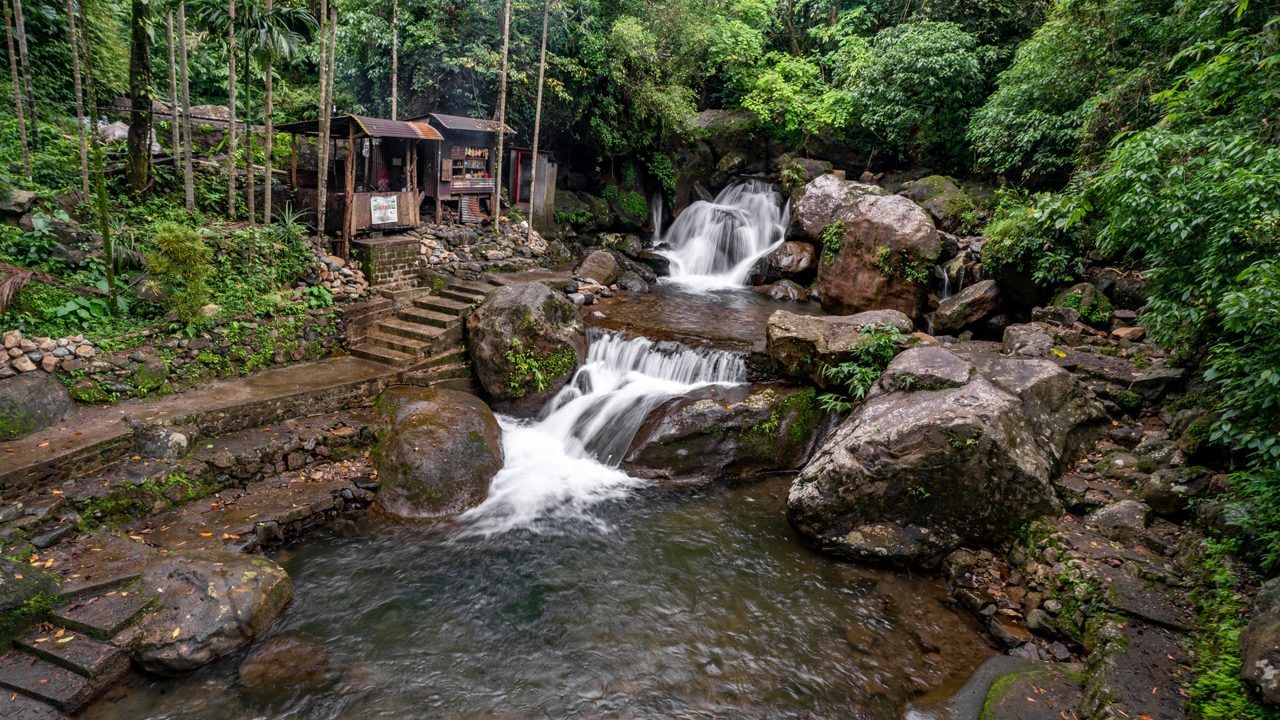
The Reality Check: The adventure begins at Deban, a forest camp on the banks of the Noa-Dihing River. From here, you cross the river by boat (or a rickety bamboo bridge) and vanish into the jungle. The trail to Hornbill Camp and Firmbase is not a manicured path; it’s a game trail used by elephants and hunters. You will climb over fallen giant trees, wade through streams, and hack through bamboo thickets. The silence is heavy, broken only by the whoop-whoop of gibbons. At Firmbase, you camp on a sandy riverbed, deep inside the core zone, feeling like the last humans on earth.
Why It's Famous & What Trekkers Say
The Fame Check:
- The "Biodiversity" Hotspot: It is the northernmost lowland evergreen rainforest in the world at 27°N latitude. Botanists and birders call it the "Holy Grail" of Indian wildlife.
- The "Lisu" Tribe: The park is home to the Lisu people, a tribe known for their unparalleled knowledge of the forest. Trekking with a Lisu guide is an education in survival.
The Social Pulse:
- The Good (What Trekkers Love): The camping. Sleeping in tents on the banks of the Noa-Dihing river, under a sky full of stars (no light pollution), is magical. The birdwatching is world-class (Hornbills everywhere).
- The Bad (What Trekkers Hate): The Leeches. Even in winter, they are present. In wet patches, they can be psychologically draining. The humidity means your clothes never truly dry.
The Trail: Milestones & Route Map
The Route Breakdown:
- Miao: Gateway Town. The Highlight: The last place to buy supplies and get permits. Visit the Tibetan refugee settlement here.
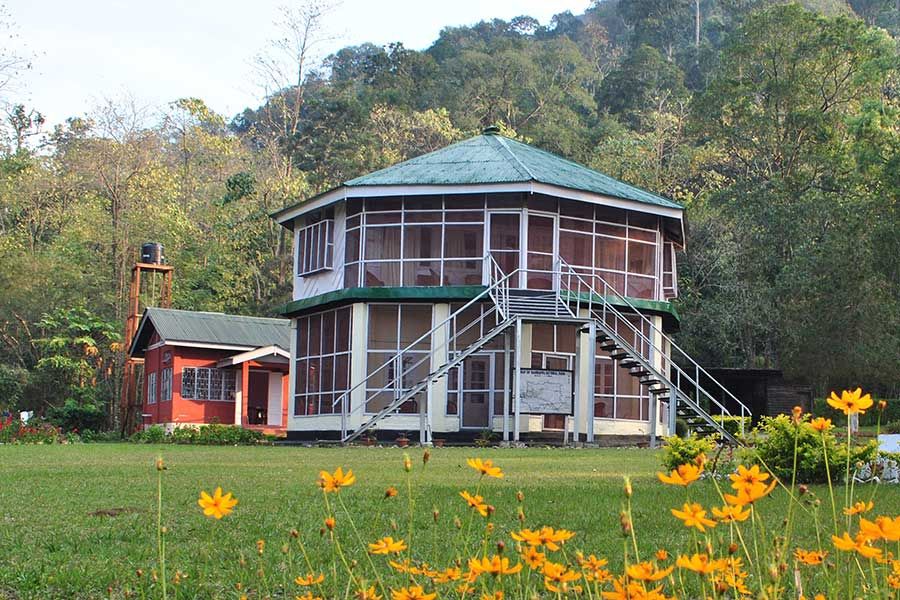
- Deban:Start Point / Base Camp. The Highlight: The Forest Rest House. The view of the river against the backdrop of the Patkai hills is stunning.
- Hornbill Camp: Day 2 Camp. The Highlight: A clearing in the forest named after the Great Indian Hornbills often seen here.
- Bulbulia / Rani Jheel: Day 3 Camp. The Highlight: "Bulbulia" refers to the bubbling natural springs. Rani Jheel is a small forest lake, often visited by wild elephants.
- Firmbase: Turnaround Point. The Highlight: A majestic camping ground on the riverbed. This is usually the deepest trekkers go (about 25 km from Deban).
- Embryo: Extended Point (Optional). The Highlight: Further deep into the park, strictly for serious expeditions.
How to Reach (The Gateway Hubs)
The Navigation Breakdown:
- State: Arunachal Pradesh.
- Gateway Hub: Dibrugarh (Assam).
- Base Hub: Miao (Arunachal).
- Start Point: Deban (25 km from Miao).
- By Air: Fly to Dibrugarh Airport (DIB).
- By Train: Train to Tinsukia Junction (NTSK).
The TrippinAI Verdict:
- Most Cost Efficient: Train to Tinsukia. Shared Sumo/Bus from Tinsukia to Miao (~INR 200-300).
- Most Time Efficient: Private Cab from Dibrugarh Airport directly to Miao (4-5 hours). Cost: ~INR 4,000 - 5,000.
- Logistics Note: From Miao to Deban, you need a private vehicle (4x4 recommended) as the road is rough forest track.
Total Budget & Hidden Costs
The Wallet Damage:
- TrippinAI Budget Rating: Expedition / High.
- Permits: Double Requirement.
- ILP (Inner Line Permit): For entry into Arunachal (~INR 100).
- Namdapha Park Entry: Daily fee for trekkers and cameras.
- Trek Package: Expect INR 20,000 - 30,000 per person. Why so high? You need to hire a team: a guide, porters (to carry tents/rations), and a cook. You cannot buy food inside.
- Porter Fee: Porters charge INR 800 - 1,200 per day.
Smart Spending Hacks:
- Hack #1: Stay at Deban FRH. The Forest Rest House at Deban is cheap (~INR 500-800) and scenic. Staying here saves tent costs for the first/last night. Book via the Field Director's office in Miao.
- Hack #2: Bring Dry Rations. Buying supplies (rice, dal, canned meat) in Tinsukia is cheaper than in Miao. Give these to your cook team to lower the package cost.
- "Use TrippinAI for more accurate and personalized information on costs."
Food & Local Legends
Context:
- The Flavor: Trek food is cooked over wood fires. Expect Smoked Pork (if with Lisu guides), Boiled Bamboo Shoots, and Rice. The guides often forage for jungle herbs to add to the soup.
- Local Insight: The Lisu people believe the Hoolock Gibbons are ancestors who took to the trees. They have strict taboos against hunting certain animals in specific seasons, a traditional method of conservation.
Seasonality, Safety & Health
Best Time to Visit:
- Nov-Feb: Dry Season. Best for walking. Leeches are manageable. Nights are cold (8-10°C).
- March-April: Birding Season. Best for spotting Hornbills and migratory birds, but rains begin.
- Avoid: May-Oct (Monsoon). The park is practically closed. The rivers are impassable, and the forest is a leech nightmare.
Traveler Safety Verdict:
- For Solo Travelers: Prohibited. You cannot enter the core zone solo. You must hire a local guide for safety against wildlife and getting lost.
- For Female Travelers: Safe. The guides are professional. However, privacy is low (bush toilets).
- For Beginners: Challenging. The humidity and isolation can be overwhelming. Not recommended as a first trek.
Risks & Actionable Mitigation:
- Wildlife Encounters: This is Tiger and Elephant territory. Mitigation: Trust the Guide. If your guide stops or signals silence, freeze. They smell/hear animals long before you do. Never walk ahead of the guide.
- Leeches: They are the main annoyance. Mitigation: Leech Socks. Wear knee-high leech socks (canvas). Carry salt or a spray bottle of salt water.
- "Check TrippinAI for real-time weather updates."
Getting Trek-Ready
Preparation Tips:
- Waterproofing: It rains even in winter. Line your bag with garbage bags. Carry a good Poncho.
- Footwear: Gumboots are better than hiking boots here. They keep mud and leeches out and dry instantly. You can buy them in Miao market.
- Power: No electricity after Miao. Carry ample batteries for your camera.
Expedition Essentials
- The "Hero" Item: Binoculars. Without them, you will hear the jungle but not see it. 8x42 or 10x42 magnification is ideal.
- Clothing: Dull Colors. Wear Green, Brown, or Grey. Bright colors scare away the wildlife.
- Meds: Anti-fungal powder. The humidity causes fungal infections on feet (trench foot). Powder your feet every night.
FAQ: Trekker's Most Asked Questions
Q: Can I see a Tiger? A: Very Unlikely. Namdapha is dense rainforest; visibility is 10 meters. You might see pugmarks or scat, but spotting a cat is a lottery win. Go for the overall experience, not just the tiger.
Q: Is the water safe to drink? A: Boil it. The river water looks clear but carries minerals and jungle runoff. Always boil or use chlorine tablets.
Q: Do I need a sleeping bag? A: Yes. It gets cold at night near the river. A 0°C to 10°C bag is sufficient.
Planning Namdapha? The ferry crossing at Deban depends on river levels. If the boat isn't running, you might have to wade through chest-deep water or cancel the trek. TrippinAI provides real-time river status updates from the forest department. [Check River Status Now.]
Recommended for You
Namdapha Rainforest Trek Guide: The "Amazon of India" & The Four Cat Realm
Japfu Peak Trek Guide: The "Rhododendron Giant" & Valley Watchtower