Nag Tibba Trek Guide: The Best "Weekend Snow Trek" Near Mussoorie
📍The Mighty Himalayas (North India)
The Summit Summary
- Location: Uttarakhand (Tehri Garhwal District, near Mussoorie).
- The Vibe: The "Quickest Himalayan Fix." It is the perfect antidote to city burnout—a trek you can start on Saturday morning and finish by Sunday evening, yet it takes you to 9,915 ft with views that rival week-long expeditions.
- Difficulty: Easy. Ideal for absolute beginners. The trail is gentle, well-marked, and short.
- Duration & Variants: 2 Days (Standard Weekend Itinerary). 16 km Total Distance (Round Trip).
- TrippinAI Recommended Slot: December to February (for snow) or April to June (for a cool summer escape).
- The TrippinAI Rating: "At TrippinAI, we rate this trek a 2.5/10 on endurance (it’s a short climb, making it the most accessible summit trek from Delhi/NCR)."
The Climb: What to Expect
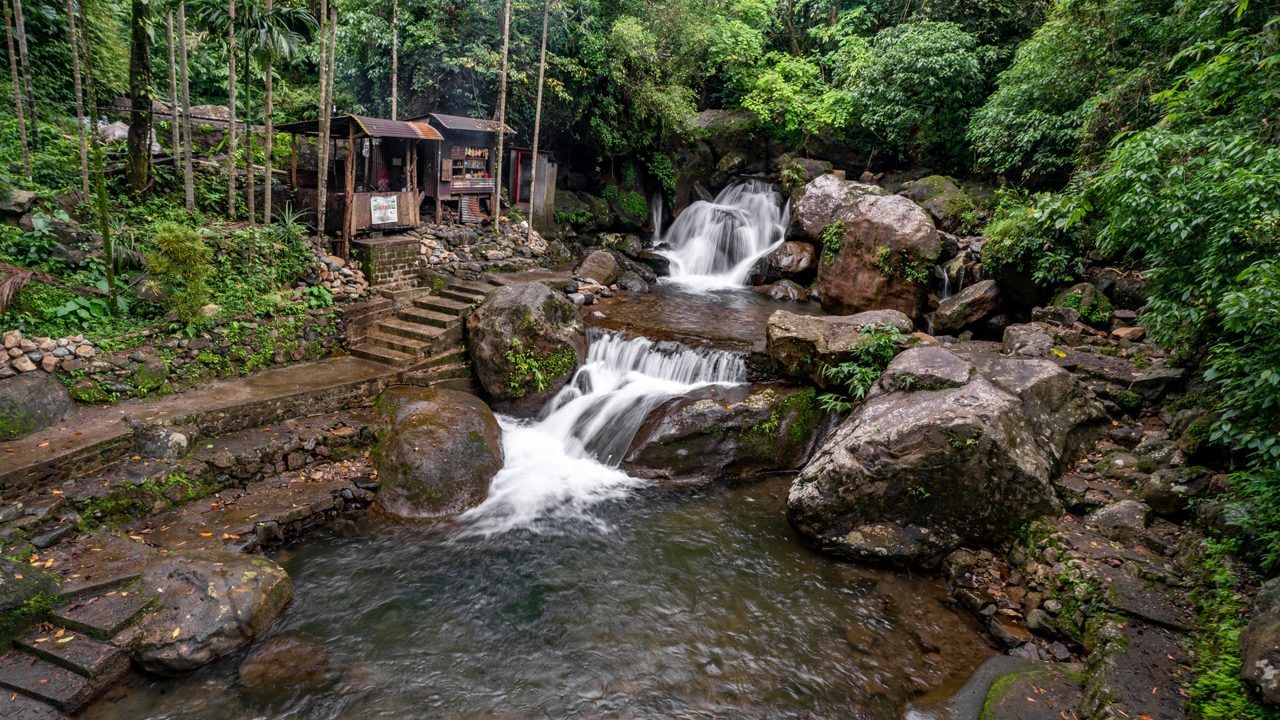
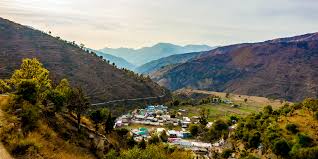
The Reality Check: Nag Tibba (Serpent’s Peak) is a forest bather's delight. The trail begins at the dusty, rocky village of Pantwari, winding through farms before entering a dense canopy of Oak and Rhododendron. Unlike the open meadows of Dayara, this trail feels intimate and sheltered. The halfway mark, often called "Goat Village" (due to the local farming initiatives), offers a glimpse into sustainable Garhwali living with stunning corn-cob adorned cottages. The final push to the summit is steep but brief. When you reach the Nag Devta Temple at the top and look north, the entire Bandarpoonch and Swargarohini ranges explode into view, gleaming white against the blue sky, while the Doon valley glimmers far below.
Why It's Famous & What Trekkers Say
The Fame Check:
- The "Weekend" Warrior: It holds the title of being the highest peak in the lesser Himalayas of the Garhwal region that is accessible over a standard 2-day weekend from Delhi.
- The "Serpent" Myth: The peak is dedicated to the Nag Devta (Snake God). Local villagers believe the deity protects their cattle from lightning and predators.
The Social Pulse:
- The Good (What Trekkers Love): The convenience. You don't need to take leave from work. The view-to-effort ratio is extremely high. The sunset from the base camp is a crowd favorite.
- The Bad (What Trekkers Hate): The water scarcity. There are no water sources on the trail after Pantwari. The trail can get crowded with large commercial groups on weekends.
The Trail: Milestones & Route Map
The Route Breakdown:
- Pantwari Village: Start Point (4,640 ft). The Highlight: The trailhead. You can buy last-minute supplies (biscuits/water) here.
- Goat Village / Kathian: Midpoint. The Highlight: A unique eco-tourism spot. The traditional "Koti Banal" architecture (earthquake-resistant wooden houses) is fascinating.
- Nag Tibba Base Camp: Day 1 Camp (8,500 ft). The Highlight: A large clearing surrounded by forests. This is where most groups camp for the night.
- Nag Tibba Summit: Summit (9,915 ft). The Highlight: The "Jhandi" (flag) point. It offers a 100-degree panoramic view of the Greater Himalayas.
- Bhatwadi: Alternative Descent. The Highlight: Some trekkers descend via a different route to Bhatwadi village to avoid backtracking, though the Pantwari return is standard.
How to Reach (The Gateway Hubs)
The Navigation Breakdown:
- State: Uttarakhand.
- Gateway Hub: Dehradun (Capital City).
- Base Camp: Pantwari (approx. 90 km from Dehradun via Mussoorie & Nainbagh).
- By Air: Fly to Jolly Grant Airport (Dehradun).
- By Road: Drive via Dehradun -> Mussoorie -> Kempty Falls -> Nainbagh -> Pantwari.
The TrippinAI Verdict:
- Most Cost Efficient: Govt. Bus from Dehradun Railway Station to Nainbagh. Then Shared Jeep/Max from Nainbagh to Pantwari. Total Cost: ~INR 300 - 400.
- Most Time Efficient: Private Cab directly from Dehradun to Pantwari. Cost: ~INR 3,500 - 4,500.
- Most Popular: Most trekkers book a package that includes pickup from Dehradun ISBT or Railway Station.
Total Budget & Hidden Costs
The Wallet Damage:
- TrippinAI Budget Rating: Budget-Friendly.
- Permits: Entry Fee Required. Forest department fees are collected near Pantwari (~INR 150-200).
- Trek Package: Expect INR 3,500 - 5,500 per person for a 2-day all-inclusive weekend trip.
- Transport: Budget an extra INR 1,000 - 1,500 if you are hiring a cab individually.
Smart Spending Hacks:
- Hack #1: Take the Bus to Nainbagh. Don't hire a cab from Dehradun. The bus to Nainbagh (on the Yamunotri route) is frequent and cheap. From Nainbagh, a shared jeep to Pantwari costs just INR 50. Save INR 1,500.
- Hack #2: Bring Your Own Tent. If you are experienced, you can hike solo and camp (with permission). Renting a guide is cheaper than a full package.
- "Use TrippinAI for more accurate and personalized information on costs."
Food & Local Legends
Context:
- The Flavor: Pantwari is famous for its Corn (Maize). Ask locals for Makki ki Roti or roasted corn if in season.
- Local Insight: The Nag Devta temple at the top is sacred. Villagers come here to offer "Jeli" (wheat flour halwa) to the deity. It is believed that offering milk here ensures the prosperity of their livestock.
Seasonality, Safety & Health
Best Time to Visit:
- Winter (Dec-Feb): The best time for snow. The trail from the base camp to the summit is often covered in ankle-deep snow, making it a fun "Snow Trek."
- Summer (April-June): Escape the Delhi heat. The forests remain cool.
- Avoid: July-August (Monsoon). The trail gets muddy and slippery.
Traveler Safety Verdict:
- For Solo Travelers: High Safety. It’s a very popular weekend route.
- For Female Travelers: High Safety. Safe, short, and close to civilization (Mussoorie).
- For Beginners: Perfect. If you have never trekked before, start here. It tests your legs without breaking them.
Risks & Actionable Mitigation:
- Dehydration: Since there is no water source on the trail, trekkers often ration water too strictly. Mitigation: Carry 3 Liters. Fill up at Pantwari. Do not depend on finding water at the base camp unless your guide knows a hidden spring.
- Slippery Mud: The initial rocky trail can be slippery if it rains. Mitigation: Good Shoes. Do not trek in flat sneakers or casual shoes.
- "Check TrippinAI for real-time weather updates."
Getting Trek-Ready
Preparation Tips:
- Weekend Fitness: You don't need intense training. A few long walks (5 km) in the week leading up to the trek are sufficient.
- Light Packing: It's only 2 days. Do not carry a 60L rucksack. A 30L Daypack is enough. Travel light to enjoy the climb.
Expedition Essentials
- Footwear: Trekking shoes (or sturdy sports shoes with grip).
- The "Hero" Item: Power Bank. There is no electricity in Pantwari or the camps.
- Clothing: Fleece Jacket. Nights at the base camp get surprisingly cold even in summer.
FAQ: Trekker's Most Asked Questions
Q: Is there snow in Nag Tibba in December? A: Yes, typically from late December to February, the upper reaches (Base to Summit) have snow. Pantwari usually remains snow-free.
Q: Can I drive my own car to Pantwari? A: Yes. The road is decent up to Pantwari. You can park your car at the village (ask a local shopkeeper to keep an eye on it for a small fee).
Q: Do I need a guide? A: For beginners, Yes. The trail splits in the forest, and finding the campsite/water source can be tricky without local knowledge.
Planning Nag Tibba? Weekend traffic on the Mussoorie road can delay your start by hours. Static blogs can't predict traffic jams. TrippinAI provides real-time route updates and smart departure times. [Plan your weekend escape now.]
Recommended for You
Namdapha Rainforest Trek Guide: The "Amazon of India" & The Four Cat Realm
Japfu Peak Trek Guide: The "Rhododendron Giant" & Valley Watchtower