Sham Valley Trek Guide: The "Baby Trek" of Ladakh
📍The Mighty Himalayas (North India)
The Summit Summary
- Location: Ladakh (Lower Ladakh / Sham Region).
- The Vibe: A "Cultural Stroll." Often called the "Baby Trek" because of its gentle altitude (compared to the rest of Ladakh), this is less about conquering peaks and more about walking through living history. You hike from village to village, passing through emerald apricot orchards, visiting ancient monasteries, and staying in traditional Ladakhi homes. It is the warmest and most hospitable region of Ladakh.
- Difficulty: Easy. This is arguably the only "Easy" trek in Ladakh. You rarely cross 4,000m, and the daily distances are short (4-5 hours walking).
- Duration & Variants: 3-4 Days (Standard Itinerary). 32 km Total Distance.
- TrippinAI Recommended Slot: All Year Round. While best in summer (May-Oct), this is one of the few treks open in Winter due to low snowfall, offering a unique snowy landscape without the extreme freeze of Chadar.
- The TrippinAI Rating: "At TrippinAI, we rate this trek a 2/10 on endurance but 10/10 on culture. It is the perfect choice for families, seniors, or those who want to experience trekking in Ladakh without the risk of severe altitude sickness."
The Climb: What to Expect
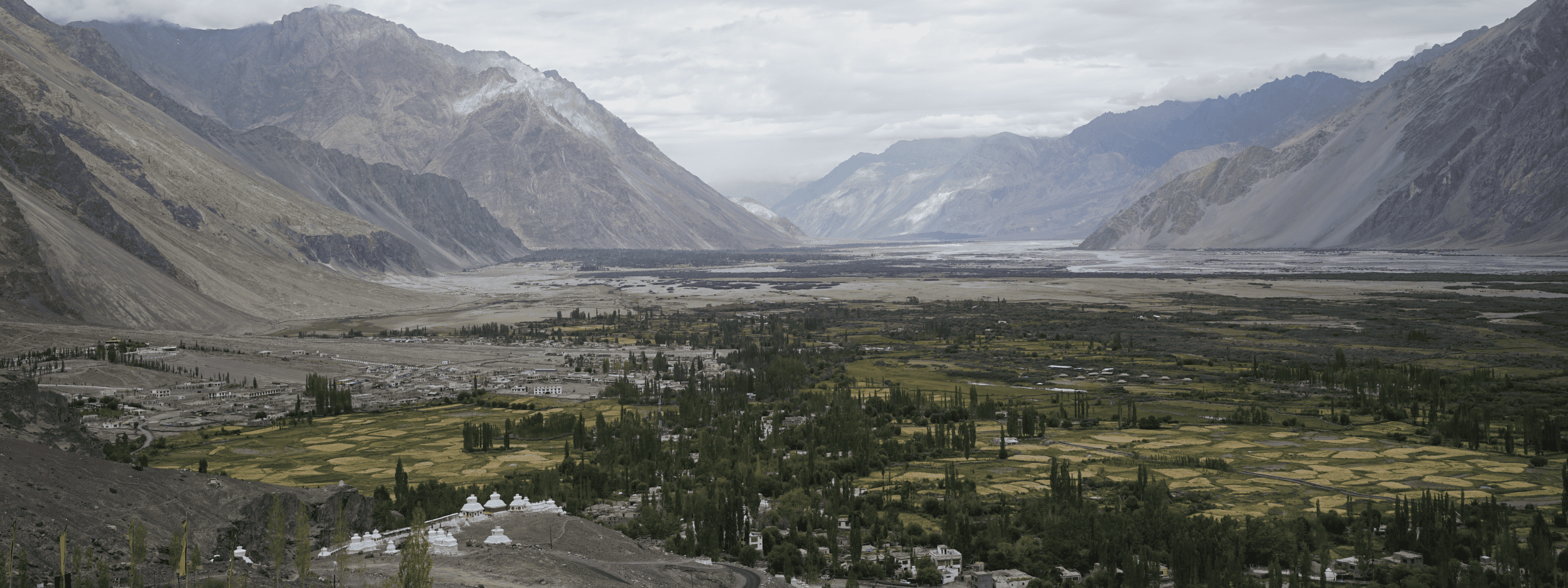
The Reality Check: The Sham Valley trek is a pleasant anomaly. While most Ladakh treks are barren and brown, Sham is surprisingly green. The journey starts at the golden Buddha of Likir Monastery, winding through small passes like Phobe La and Chagatse La—which are gentle ridges rather than intimidating climbs. You descend into the oases of Yangthang and Hemis Shukpachan, villages famous for their cedar trees (Shukpa) and bubbling streams. The trek ends in Temisgam, a historical village with a fortress, leaving you with a sense of peace rather than exhaustion.
Why It's Famous & What Trekkers Say
The Fame Check:
- The "Baby Trek" Moniker: It is famous for being the most accessible trek in the region, suitable for children and first-timers who might struggle with the thin air elsewhere.
- The "Apricot" Trail: The valley is the fruit bowl of Ladakh. In August, the trail is lined with ripe apricots that you can pluck and eat.
The Social Pulse:
- The Good (What Trekkers Love): The homestays! Staying in Hemis Shukpachan is a highlight—the houses are beautiful, and the hosts are incredibly warm. The food (farm-to-table Ladakhi meals) gets rave reviews.
- The Bad (What Trekkers Hate): The road construction. Parts of the trekking trail now intersect with new motorable roads connecting the villages, which can break the immersion.
The Trail: Milestones & Route Map
The Route Breakdown:
- Likir:Start Point (11,500 ft). The Highlight: The massive 75ft gold statue of Maitreya Buddha sitting in the open.
- Phobe La & Chagatse La: The Passes (11,800 ft). The Highlight: Gentle climbs offering panoramic views of the stark mountains contrasting with green valley floors.
- Yangthang: Day 1 Camp (11,900 ft). The Highlight: A small, isolated village. The homestays here are rustic and authentic.
- Hemis Shukpachan: Day 2 Camp (11,800 ft). The Highlight: Named after the Cedar (Shukpa) grove. It is one of the prettiest villages in Ladakh, with white-washed houses and a clear stream.
- Temisgam: End Point (10,500 ft).The Highlight: Exploring the ancient Temisgam Palace and fortress ruins before driving back.
How to Reach (The Gateway Hubs)
The Navigation Breakdown:
- State/UT: Ladakh.
- Gateway Hub: Leh.
- Start Point: Likir (1.5-hour drive from Leh).
- End Point: Temisgam/Nurla -> Drive to Leh (2 hours on the Srinagar-Leh highway).
- By Air: Fly to Kushok Bakula Rimpochee Airport (Leh).
The TrippinAI Verdict:
- Most Cost Efficient: Local Bus from Leh to Likir (~INR 100). Return bus from Nurla to Leh (~INR 150).
- Most Time Efficient: Private Taxi for drop and pickup (~INR 3,000 - 4,000 for the round trip).
- Most Popular: Hire a taxi to drop you at Likir, trek for 3 days, and have the taxi pick you up at Temisgam (or Nurla on the highway).
Total Budget & Hidden Costs
The Wallet Damage:
- TrippinAI Budget Rating: Budget-Friendly.
- Permits: None (usually). Unlike border areas (Nubra/Pangong), Sham Valley generally does not require an Inner Line Permit for Indians (check current rules for foreigners).
- Trek Package: Expect INR 8,000 - 12,000 per person.
- DIY Cost: If you do it yourself using homestays, it can cost as little as INR 1,200 per day (stay + food). Total trip cost: ~INR 5,000.
Smart Spending Hacks:
- Hack #1: Go Guide-Free. The trail is very visible, and you are never more than 2-3 hours from a village. If you have a map app (Maps.me), you can easily do this solo without a guide.
- Hack #2: Eat the Apricots. In late summer, the apricots are free and abundant. They make for great energy snacks on the trail.
- "Use TrippinAI for more accurate and personalized information on costs."
Food & Local Legends
Context:
- The Flavor: This is a culinary trek. Enjoy Khambir (local bread) with Apricot Jam for breakfast. For dinner, ask for Chutagi (dumpling soup). The apricots of Sham are said to be the sweetest in the Himalayas.
- Local Insight: The "Shukpa" (Cedar) trees in Hemis Shukpachan are considered sacred. It is believed that a realized master planted them, and cutting them brings misfortune to the village.
Seasonality, Safety & Health
Best Time to Visit:
- May-October: Standard season. Green fields and warm weather.
- Winter (Dec-Feb): The "Snow Leopard" feel. The landscape turns white, but the homestays remain open (and warm with heaters). It’s a magical, crowd-free time.
Traveler Safety Verdict:
- For Solo Travelers: High Safety. Very safe. You are walking between populated villages.
- For Female Travelers: High Safety. Ladakhi homestays are often run by women (Aamaley). It is very secure.
- For Beginners: Top Pick. The best first trek in Ladakh. Acclimatization issues are rare due to the low altitude.
Risks & Actionable Mitigation:
- Sunburn: The altitude is lower than Leh, but the sun is still harsh. Mitigation: Sunscreen & Hat. Do not skip this even if it feels cool.
- Dehydration: The air is dry. Mitigation: Drink Water. You won't feel thirsty, but you must drink 3 liters a day.
- "Check TrippinAI for real-time weather updates."
Getting Trek-Ready
Preparation Tips:
- Fitness: Moderate fitness is fine. If you can walk 5 km on flat ground, you can do this trek.
- Pack Light: You don't need a sleeping bag or tent. A 30L daypack with clothes and water is enough.
- Cash: Carry cash. Homestays do not accept cards/UPI.
Expedition Essentials
- Footwear: Comfortable Hiking Shoes or even sturdy Running Shoes are fine. Heavy boots are overkill.
- The "Hero" Item: Power Bank. Electricity in villages can be erratic.
- Clothing: Light Jacket. Evenings get chilly. In winter, heavy woolens are needed.
FAQ: Trekker's Most Asked Questions
Q: Can I take my kids? A: Yes. Kids as young as 7-8 years old regularly do this trek. It’s a great family bonding activity.
Q: Is there mobile network? A: Yes. BSNL and Jio work in most villages (Likir, Temisgam), though signal might drop on the passes.
Q: Do I need to book homestays in advance? A: Not usually. You can just walk in. However, in peak July, Hemis Shukpachan can get full, so booking ahead or arriving early in the day is smart.
Planning Sham Valley? While "Easy," the heat in July mid-day can be draining. Static blogs won't tell you the daily UV index. TrippinAI provides hourly weather and UV forecasts to help you time your walks. [Check Weather Now.]
Recommended for You
Namdapha Rainforest Trek Guide: The "Amazon of India" & The Four Cat Realm
Japfu Peak Trek Guide: The "Rhododendron Giant" & Valley Watchtower