Tarsar Marsar Trek Guide: The "Twin Sisters" of Aru
📍The Mighty Himalayas (North India)
The Summit Summary
- Location: Jammu & Kashmir (Aru Valley, near Pahalgam).
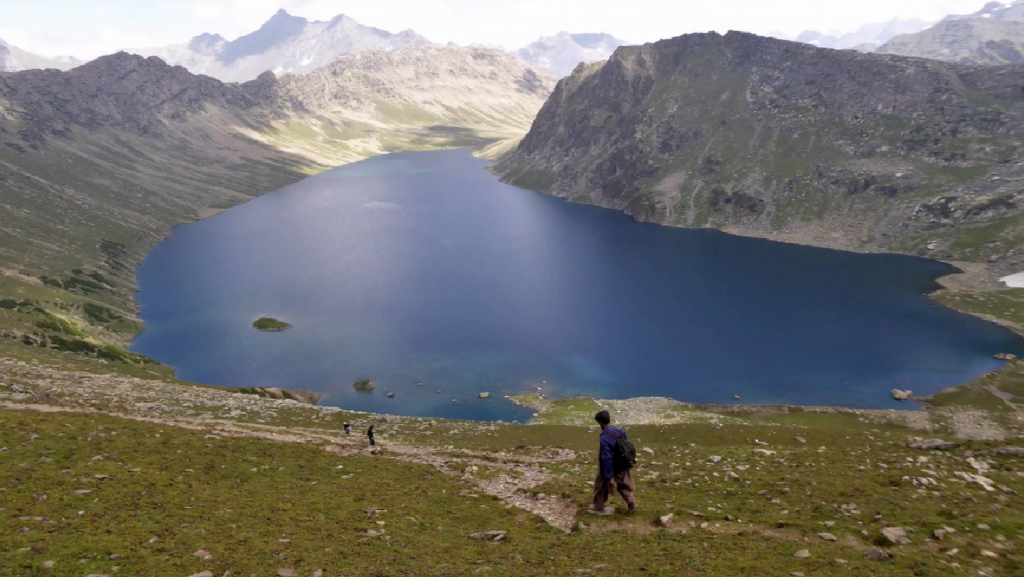
- The Vibe: A "Romantic Alpine" escape. If Kashmir Great Lakes is an action movie, Tarsar Marsar is a romantic drama. It is softer, greener, and more intimate. You don't just see the lakes; you camp right next to them. The highlight is watching the sun set over Tarsar Lake, turning the water into liquid gold—a view often voted the best in Indian trekking.
- Difficulty: Moderate. It is significantly easier than KGL or Rupin Pass. The gradients are gentler, and the altitude maxes out at 13,200 ft.
- Duration & Variants: 7 Days (Standard Itinerary). 48 km Total Distance.
- TrippinAI Recommended Slot: July to September. The meadows of Aru and Lidderwat are in full bloom, and the lakes are unfrozen.
- The TrippinAI Rating: "At TrippinAI, we rate this trek a 5/10 on endurance. It is the perfect 'Step-Up' trek for beginners who have done easy treks and want to experience the grandeur of Kashmir without the grueling passes of KGL."
The Climb: What to Expect
The Reality Check: The trek begins in Aru Valley, a village so picturesque it looks like a film set. The trail winds through pine forests to Lidderwat, a stunning campsite by the Lidder River. As you climb higher to Shekwas, the trees disappear, replaced by endless rolling meadows (Bugyals) grazed by sheep. The arrival at Tarsar Lake is magical—an almond-shaped turquoise body of water surrounded by peaks. You cross the Tarsar Pass to reach the second valley, home to Sundersar (a smaller lake) and finally hike up a ridge to look down into the mysterious, cloud-covered Marsar Lake.
Why It's Famous & What Trekkers Say
The Fame Check:
- The "Almond" Lake: Tarsar is famous for its distinct almond shape and the fact that you can camp almost on its shores (a rarity in trekking).
- The "Shy" Sister: Marsar is known as the "Killer Lake" or the shy sister. It is almost always shrouded in mist. Locals believe it hides its face from strangers.
The Social Pulse:
- The Good (What Trekkers Love): Camping at Tarsar. Waking up, unzipping the tent, and seeing the lake right there is the USP. The gentle pace makes it very enjoyable for photographers.
- The Bad (What Trekkers Hate): The weather at Marsar. Many trekkers climb the ridge only to find Marsar completely blocked by fog. The trail gets very slushy after Lidderwat if it rains.
The Trail: Milestones & Route Map
The Route Breakdown:
- Aru Valley: Start Point (7,900 ft). The Highlight: The drive from Pahalgam to Aru is scenic. Aru itself is a destination.
- Lidderwat: Day 2 Camp (9,100 ft). The Highlight: A triangular plateau formed by the confluence of two streams. A colonial-era PWD hut still stands here.
- Shekwas: Day 3 Camp (11,000 ft). The Highlight: The transition zone. The tree line ends, and the alpine meadows begin.
- Tarsar Lake: Day 4 Camp (12,400 ft). The Highlight: The jewel of the trek. You camp here and watch the colors of the lake change from blue to green to orange.
- Sundersar: Day 5 Camp (12,900 ft). The Highlight: A small, cute lake. This is the base for the Marsar excursion.
- Marsar Lake View: Summit Point (13,200 ft). The Highlight: You climb a ridge to look down at Marsar. You do not descend to its shores (it is steep and culturally restricted).
- Homwas/Aru: Return Leg. The Highlight: You loop back to Aru via a different route (usually), completing the circuit.
How to Reach (The Gateway Hubs)
The Navigation Breakdown:
- State: Jammu & Kashmir.
- Gateway Hub: Srinagar.
- Base Hub: Pahalgam -> Aru Valley.
- By Air: Fly to Srinagar Airport.
The TrippinAI Verdict:
- Most Cost Efficient: Shared Taxi from Srinagar (TRC/Dalgate) to Anantnag, then to Pahalgam, then to Aru. Total Cost: ~INR 500-600 (Time consuming).
- Most Time Efficient: Direct Private Cab from Srinagar Airport to Aru Valley (3.5 hours). Cost: ~INR 3,000 - 3,500.
- Logistics Note: Security checks are frequent on the Srinagar-Pahalgam highway, especially during Amarnath Yatra season (July-Aug).
Total Budget & Hidden Costs
The Wallet Damage:
- TrippinAI Budget Rating: Premium.
- Permits: Required. Trekking permits from the Pahalgam Tourism Office.
- Trek Package: Expect INR 14,000 - 18,000 per person.
- Transport: Budget extra INR 2,000 for the round-trip cab if sharing with a group.
Smart Spending Hacks:
- Hack #1: Stay in Aru. Instead of expensive hotels in Pahalgam, stay in homestays in Aru Valley. They are cheaper (INR 800-1200) and offer better views.
- Hack #2: DIY with Pony. You can hire a pony and a local guide from Aru Village directly if you are a small group. It can be cheaper than a big agency package if negotiated well.
- "Use TrippinAI for more accurate and personalized information on costs."
Food & Local Legends
Context:
- The Flavor: Shepherds (Gujjars/Bakarwals) often sell fresh Buffalo Milk and Kalari (local cheese) at Lidderwat. It’s a must-try.
- Local Insight: Locals believe Marsar is possessed. They warn trekkers not to whistle or shout near Marsar Lake, as it provokes the mist/clouds to rise and blind the intruder.
Seasonality, Safety & Health
Best Time to Visit:
- July-August: Greenest meadows, but rain is likely.
- September: Brown/Golden meadows, clear skies, cold nights.
- Avoid: Winter (Nov-April). Aru is a ski destination then; the trek route is buried.
Traveler Safety Verdict:
- For Solo Travelers: Moderate. While the trail is safe, the isolation in the upper valleys means you should ideally be with a group or a reliable local guide.
- For Female Travelers: Safe. The Gujjar shepherds are generally friendly and busy with their flocks.
- For Beginners: Top Pick. The best trek to start your Himalayan journey if you want great rewards for moderate effort.
Risks & Actionable Mitigation:
- Bear Country: The forests around Aru and Lidderwat are home to Himalayan Brown Bears. Mitigation: Camp in Groups. Do not wander into the deep forest alone at night. Keep food sealed inside tents.
- Slippery Grass: Wet grass on the descent from Tarsar Pass is like ice. Mitigation: Trekking Poles. Essential for stability on wet meadows.
- "Check TrippinAI for real-time weather updates."
Getting Trek-Ready
Preparation Tips:
- Rain Prep: It will rain. Carry a poncho that covers your bag.
- Postpaid SIM: Only Postpaid SIM cards (Jio/Airtel/BSNL) work in Kashmir. Signal is available in Aru, then disappears.
- Cash: Withdraw cash in Srinagar or Pahalgam. No ATM in Aru.
Expedition Essentials
- Footwear: Waterproof Hiking Boots.
- The "Hero" Item: Wide-Brimmed Hat. The sun in the open meadows can be harsh.
- Clothing: Warm Layers. Nights at Tarsar (12,400 ft) can drop to near zero even in August.
FAQ: Trekker's Most Asked Questions
Q: Is it safe during Amarnath Yatra? A: Yes. The Yatra route (Chandanwari) is different from the Aru route. However, the road from Srinagar to Pahalgam will be congested with security convoys. Plan for extra travel time.
Q: Can we swim in Tarsar Lake? A: Discouraged. While not strictly illegal, locals consider the water pure. Entering it with sunscreen/soap is disrespectful.
Q: Which is better: KGL or Tarsar Marsar? A: KGL for adrenaline, scale, and drama. Tarsar Marsar for peace, beauty, and relaxation.
Planning Tarsar Marsar? The Aru road can sometimes be closed due to landslides or VIP movement. Static blogs won't update you. TrippinAI provides real-time traffic and route status for the Pahalgam region. [Check Road Status Now.]
Recommended for You
Namdapha Rainforest Trek Guide: The "Amazon of India" & The Four Cat Realm
Japfu Peak Trek Guide: The "Rhododendron Giant" & Valley Watchtower